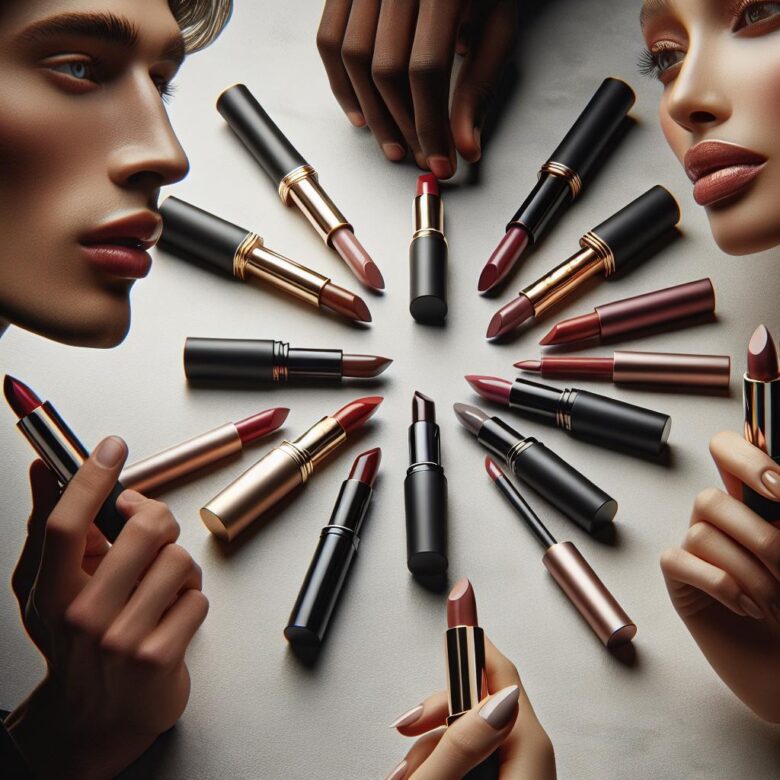
A special-occasion lipstick has to do more than resist a tissue test. It must remain comfortable while talking, fade acceptably after food and drinks, look right in the event lighting and allow a clean repair if the inner lip wears away.
This guide compares five liquid lipsticks using their official product descriptions, then provides a rehearsal process for deciding whether a formula is suitable for your event. It is a source-based comparison, not a hands-on review.
How this comparison was evaluated
Glow Theory reviewed the manufacturers’ cited product pages for four practical points: finish, application format, stated wear or resistance claims, and instructions that could affect performance. The comparison also considers how those documented characteristics relate to common event needs, such as eating, photography and limited touch-up time.
Price, shade availability and ingredient lists are not compared because they can vary by country and change over time. Confirm those details, along with the application directions, on the package or official product page before purchasing.
A quick decision framework
If minimizing visible transfer is the priority
Start with formulas explicitly described by their brands as transfer-proof or transfer-resistant. M·A·C and Dior offer matte options in this group, while CHANEL makes a similar claim for its two-step glossy system. The wording alone does not establish which will perform better on your lips.
If you want a glossy finish
Choose between a two-step system and a shake-activated formula. CHANEL pairs color with a dedicated clear top coat. Urban Decay and Maybelline build shine into formulas that must be shaken before application.
If dinner is the main challenge
Urban Decay explicitly describes Vice Lip Bond as food- and drink-resistant. That makes it reasonable to shortlist based on the documented claim, but it does not guarantee unchanged color after every meal. Test it with food similar to what the event will serve.
If comfort matters more than the largest hour claim
Do not choose solely from the 12-, 16- or 24-hour number. None of the cited product pages can establish how a formula will feel on your lips throughout an event. A rehearsal is particularly important if your lips are dry, textured or easily irritated.
Five long-wear lipstick formulas compared
| Product | Finish and format | Manufacturer claim | Documented distinction | What to verify |
|---|---|---|---|---|
| M·A·C Locked Kiss Ink 24HR Lipcolour | Rich-matte liquid color | Up to 24 hours; described as kissproof, waterproof and transfer-proof | Largest advertised hour figure in this group | Comfort, inner-lip fading and removal on your own lips |
| CHANEL Le Rouge Duo Ultra Tenue | Liquid color plus clear gloss | Up to 16 hours; described as waterproof and transfer-proof | Dedicated two-step system for color and shine | Required drying time and whether both steps are convenient to reapply |
| Urban Decay Vice Lip Bond | Shake-activated, high-shine liquid color | Up to 16 hours; described as transfer-, food- and drink-resistant | Explicit food and drink resistance claims without a separate top coat | Set time, feel and appearance under flash |
| Maybelline Super Stay Vinyl Ink | Shake-activated vinyl-shine liquid color | Up to 16 hours; described as smudge- and budge-resistant | Instructions specify shaking for at least five seconds and applying to clean, dry lips | Whether the brand-noted tacky feel is comfortable for you |
| Rouge Dior Forever Liquid | Ultra-matte liquid color | Up to 12 hours of coverage; described as transfer-proof | Emphasis on an ultra-pigmented, ultra-matte finish rather than the largest hour figure | Precise edge application, comfort and how the finish shows lip texture |
How the formulas differ in practice
M·A·C Locked Kiss Ink 24HR Lipcolour
M·A·C describes this liquid lipstick as providing up to 24 hours of matte color and resisting transfer, water, bleeding, feathering, flaking and settling. These are manufacturer claims rather than Glow Theory test results.
Consider it when: a matte finish and the strongest set of stated resistance claims are more important to you than shine.
Do not assume: that the 24-hour figure proves better real-world wear than another brand’s 16-hour claim. Test for tightness, cracking and uneven loss at the wet inner edge of the lip.
CHANEL Le Rouge Duo Ultra Tenue
This dual-ended product uses pigmented color followed by a clear gloss. CHANEL describes the system as waterproof and transfer-proof, with up to 16 hours of wear.
Consider it when: you want visible shine but prefer a top coat designed to work with the base color rather than adding an unrelated gloss.
Do not overlook: the application sequence. The color needs time to dry before the included gloss is added. During a rehearsal, check whether touching up two layers is practical in the time available.
Urban Decay Vice Lip Bond
Urban Decay describes Vice Lip Bond as a high-shine liquid lipstick with up to 16 hours of wear. The brand says it resists transfer, food, drinks, flaking and cracking and instructs users to shake the container before application.
Consider it when: high shine and an explicit manufacturer claim about food and drink resistance are relevant to the event.
Do not assume: that food-resistant means meal-proof. Oils, friction and moisture can affect set films differently. Photograph the finished lip with flash because a reflective finish may create more pronounced highlights than a matte one.
Maybelline Super Stay Vinyl Ink
Maybelline describes Vinyl Ink as a smudge- and budge-resistant liquid lip color with up to 16 hours of wear. Its application instructions are specific: shake for at least five seconds, apply to clean and dry lips, and allow the formula to dry.
Consider it when: you want vinyl shine in a single color product and are comfortable following a shake-and-set application process.
Do not overlook: the product page’s note that the formula can retain a slightly tacky feel. A wear rehearsal should establish whether that sensation is acceptable over the length of your event.
Rouge Dior Forever Liquid
Dior describes this ultra-matte liquid lipstick as transfer-proof and ultra-pigmented, with up to 12 hours of coverage. The brand also states that it resists fading, movement, feathering and settling into lip lines.
Consider it when: an ultra-matte, strongly pigmented finish matters more than selecting the product with the largest advertised wear-time number.
Do not overlook: edge precision. Deep red, berry and other high-contrast shades make small border errors easier to see. Check whether a liner improves control without leaving a conspicuous outline as the center fades.
Match the lipstick to the event
Wedding or long ceremony
Prioritize comfort and even fading, not only resistance. Photograph the shade in daylight and indoor lighting, then check it after extended talking and drinking. If you are coordinating the full look, see Glow Theory’s step-by-step bridal makeup guide. For eye makeup that may encounter tears, the separate guide to waterproof mascaras and eyeliners for weddings covers what to consider.
Formal dinner
Test the lipstick with a realistic meal, not only a straw or dry tissue. Inspect the inner lip afterward. A formula that loses a little color evenly may remain more presentable than one that stays intact at the border but leaves a sharp gap in the center.
Photography or video
Assess the exact shade and finish using the camera and lighting expected at the event. Gloss can produce concentrated highlights, while a very matte finish can make natural lip texture more apparent in close images. Neither is automatically unflattering; the effect depends on the desired look.
Event with little touch-up time
Choose a formula that passed your own transfer and meal checks, then carry that same product. Adding an unrelated gloss, balm or lipstick may alter the set layer and make the result harder to repair.
Choose the shade in the actual lighting
Undertone categories can narrow the options, but they should not override what you see on your lips. Clothing, surrounding makeup, venue lighting, camera processing and natural lip color can all affect the result.
- Apply the full lip: a hand swatch cannot show how your natural lip color or border affects the shade.
- Wait for the formula to set: some liquid lipsticks deepen or lose shine as they dry.
- Check daylight and indoor light: warm lighting can emphasize orange or brown tones, while cool lighting can emphasize blue or purple tones.
- Take near and distant photographs: confirm that the lip remains defined at the distance likely to be used for event photos.
- Use flash once: inspect the border, teeth, texture and reflective highlights.
If using a store tester, do not apply a shared applicator directly to the lips. Ask for a clean disposable applicator and confirm the retailer’s hygiene procedure.
Application choices that can affect wear
- Start with comfortable lips. Do not aggressively scrub lips that are cracked, painful or inflamed. Preparation should remove only loose flakes without creating fresh irritation.
- Use balm before, rather than over, a set formula. If the product calls for clean, dry lips, apply balm earlier and blot away surface residue before adding color.
- Read the directions for the exact product. Shake when instructed and apply a two-step formula in the stated order.
- Use controlled layers. Avoid repeatedly brushing over color that has begun to set unless the manufacturer says the formula can be layered that way.
- Keep product away from the wet inner rim. Excess color placed inside the mouth is more likely to move onto the teeth.
- Let the lipstick set undisturbed. Pressing the lips together, drinking or adding another product too soon may interfere with the film.
Run an event rehearsal before relying on it
A rehearsal is more useful than comparing advertised wear numbers because it recreates the conditions that matter to you. Use the same lip preparation, liner and application method planned for the occasion.
- Apply the lipstick according to its current instructions.
- Photograph it in the relevant daylight, indoor light and flash conditions.
- Talk, smile and drink as you normally would.
- Eat a meal similar in richness and texture to the event food.
- Inspect the border, corners, center and wet inner edge separately.
- Record whether the formula feels normal, tight, sticky, gritty or irritating.
- Attempt one targeted touch-up instead of covering the whole lip.
- Remove it using the method recommended by the manufacturer and note whether removal is comfortable.
What counts as a successful result?
- Comfort: no burning, swelling or persistent irritation, and no level of dryness that would make you want to remove it early.
- Fading: color loss is gradual enough that it does not create an obvious ring or sharply bare center.
- Transfer: any transfer is acceptable for the clothes, glassware and activities involved.
- Repair: a small amount of fresh color blends into the remaining layer without becoming lumpy or noticeably darker.
- Appearance: the shade and finish remain flattering in the actual event lighting and photographs.
Touch-up and troubleshooting guide
The center fades but the border remains
Remove food residue and loose pigment, let the area dry, and add a small amount only where the color is missing. Recoating the intact border every time can create excessive thickness.
The lipstick cracks or flakes
Possible contributors include dry lips, a heavy layer or an incompatible product underneath. If the surface is breaking apart, removing it and starting again is usually cleaner than adding repeated coats.
The formula remains tacky
Confirm that it was shaken if required, applied to the recommended surface and given time to set. Some glossy long-wear products may retain tack even when correctly applied, so comfort is a personal decision rather than proof of failure.
An added gloss disrupts the color
Use the top coat supplied with a two-step system or one the manufacturer identifies as compatible. An unrelated gloss or balm may soften the set layer and change its transfer resistance.
The product burns or causes swelling
Remove it and stop using it. Do not interpret stinging as part of the setting process. Seek medical guidance for a serious, persistent or recurring reaction.
Lip care, storage and hygiene
- Do not share lipstick, liner or applicators.
- Keep the container closed and avoid exposing it to excessive heat, including storage in a hot vehicle.
- Stop using a product if its smell, color or texture changes unexpectedly.
- Check the packaging for any expiration date or period-after-opening instructions.
- Review the ingredient list before purchase if you have known cosmetic allergies or sensitivities.
- Give cracked or inflamed lips time to recover instead of using aggressive exfoliation to prepare them for matte lipstick.
The American Academy of Dermatology’s chapped-lip guidance advises avoiding products that burn or sting and addressing persistent symptoms. The U.S. FDA’s cosmetic shelf-life guidance explains that manufacturers are responsible for product safety and shelf life and that U.S. cosmetics do not generally have to display expiration dates. Neither source evaluates the five lipsticks in this comparison.
Frequently asked questions
Does the largest advertised hour figure identify the longest-wearing product?
No. An up to figure is a manufacturer claim, and brands may use different protocols and conditions. It does not reveal typical wear for your lip condition, application, meals or habits.
Can lip balm be worn under transfer-resistant lipstick?
It depends on the product instructions. Balm can be used during preparation, but oily surface residue may interfere with a formula intended for clean, dry lips. Apply it earlier and blot before color when appropriate.
Will a food-resistant lipstick survive every dinner?
No. Food resistance is not a guarantee of unchanged color. Meal oils, moisture, friction and application thickness can all affect wear. Rehearse with a realistic meal and check the inner lip afterward.
Is matte automatically better for a long event?
No. Matte may suit someone prioritizing a non-reflective finish or strong transfer-resistance claims, but comfort and repair quality also matter. Glossy and two-step formulas may be preferable when shine is part of the intended look.
How should resistant lipstick be removed?
Follow the manufacturer’s directions. Some set formulas are easier to dissolve with an oil-based remover, but the suitable method can vary. Avoid prolonged rubbing that leaves the lips sore.
How to narrow the choice
M·A·C has the largest advertised wear-time figure in this group, but that does not independently establish superior wear. CHANEL is the distinct two-step option for gloss over a coordinated color base. Urban Decay combines high shine with explicit food and drink resistance claims, while Maybelline provides a shake-activated vinyl format with a brand-noted tacky feel. Dior emphasizes an ultra-matte, highly pigmented finish with a shorter advertised coverage period.
Use those documented differences to create a shortlist, not to declare a universal winner. The more reliable final decision comes from checking the exact shade, comfort, meal wear, flash appearance and touch-up quality under conditions that resemble your event.
Sources
- M·A·C — Locked Kiss Ink 24HR Lipcolour
- CHANEL — Le Rouge Duo Ultra Tenue
- Urban Decay — Vice Lip Bond
- Maybelline — Super Stay Vinyl Ink
- Dior — Rouge Dior Forever Liquid
- American Academy of Dermatology — How to heal dry, chapped lips
- U.S. FDA — Shelf life and expiration dating of cosmetics
Editorial transparency: This article relies on the linked manufacturer pages for product claims and directions. Glow Theory did not independently wear-test or laboratory-test these products. Formulas, claims, shades and availability may change, so confirm the current packaging and official product information.

Glow Theory publishes research-based makeup and beauty guidance. Product comparisons distinguish documented specifications and source-based research from hands-on testing. The publication does not present manufacturer claims as independent test results and does not claim professional or medical credentials that have not been verified.