Bridal makeup fails when it looks perfect in the mirror-but flashes back in photos, melts by the first dance, or reads “too much” in daylight. I’ve prepped brides for long, emotional wedding days, and the biggest DIY mistake is treating it like everyday glam. The cost isn’t just a smudged eyeliner; it’s retouching stress, wasted product, and time you don’t have on the morning of your wedding.
This tutorial is built like a working artist’s plan: skin prep that grips, base layering that won’t cake, strategic concealing, and eye/lip placement that holds up to tears, kisses, and camera flash.
Follow these steps and you’ll finish with a photo-ready, wear-all-day bridal look-without guessing, overbuying, or second-guessing.
Bridal Makeup Skin Prep for a Flawless, Long-Wear Base: Pro-Level Cleansing, Hydration, Primer Pairing & Texture Control
Most bridal base failures aren’t “bad foundation”-they’re prep mistakes: over-cleansing plus under-hydration triggers midday separation, and SPF pilling can telegraph texture through flash photos. Aim for a stable, non-slippery surface that grips product for 10-12 hours without caking.
- Cleansing + reset: Use a low-foam cleanser; avoid exfoliating acids/retinoids within 48 hours. If you’re oily, press a toner pad only on the T-zone, then let skin air-dry fully (residual water dilutes primer and causes patchy adhesion).
- Hydration layering: Apply a humectant serum, then a thin ceramide moisturizer; wait 5-7 minutes until tack is gone. For dry patches, spot-seal with a micro-film of balm, then blot-shine is the enemy of longevity.
- Primer pairing + texture control: Match bases (water with water, silicone with silicone); mismatch is a common source of “rolling.” Use a pore-filling primer only where needed, and map texture under harsh lighting-check with Mirror Pro (10x) or a phone on 0.5x with flash to catch flakes before foundation.
Field Note: I once stopped a bride’s foundation from peeling by removing her dewy SPF with a damp microfiber cloth, reapplying only on the perimeter, then switching to a silicone primer just on the nose and inner cheeks.
Step-by-Step Bridal Base Makeup That Won’t Cake or Flash Back: Shade Matching, Layering Foundation/Concealer, Setting Strategy & Photo-Test Tips
Most bridal flashback is self-inflicted: SPF-containing bases and heavy powder read 1-3 shades lighter under on-camera flash. The other caking culprit is over-building coverage before the base has fully set.
- Shade match + undertone check: Match on jaw/neck in daylight and test with your phone flash; finalize undertone by comparing to a neutral white card (pink/ashy = too cool, orange/gray = too warm/olive). If you’re between shades, match neck and warm up with bronzer-don’t “correct” by piling on powder.
- Layering foundation/concealer: Start with a thin, even foundation layer (damp sponge for diffusion), let it sit 60-90 seconds, then micro-spot conceal only where needed (inner under-eye, around nose, blemishes). Tap edges until invisible; avoid dragging product over textured zones to prevent pilling and separation.
- Setting strategy + photo-test: Press a finely milled, non-HD silica-heavy powder only on T-zone and under-eye, then mist to melt (hold 10-12 inches away). Photo-test three angles (front, 45°, side) with flash and review in Capture One Pro; if you see a white cast, swap any SPF base and reduce powder load.
Field Note: I once eliminated severe “ghost under-eye” in a bridal trial by replacing an SPF 50 concealer and cutting powder to a single pressed pass, then verifying zero flashback in Capture One Pro tethered shots.
DIY Wedding Eyes, Brows & Lips That Last Through Tears: Waterproof Techniques, Lash Application, Soft-Glam Shading & Transfer-Proof Lip Layering
Most DIY bridal looks fail at the eyes and lips: waterline liner migrates within 90 minutes, and “longwear” lipstick transfers the first time you sip. The fix is controlled layering-thin, set, and sealed-rather than adding more product.
- Waterproof eyes + soft-glam shading: Prime lids, then press a matte cream shadow as a base; set only the crease with powder shadow and keep shimmer on the center lid so fallout doesn’t catch in tear tracks. Tightline with a waterproof gel, then stamp shadow into the lash line to lock it; finish with tubing mascara on top lashes and minimal product on lower lashes.
- Lash application that survives tears: Trim outer corners, apply a thin glue bead, wait until tacky, then anchor the band under the natural lash line and pinch-seal with tweezers; add a micro-dot of adhesive at inner/outer corners. Use Velour Lash Adhesive or a medical-grade latex-free option if you’re sensitive.
- Brows + transfer-proof lips: Brush brows up, press in wax/gel, then surgically fill sparse areas with a fine pencil and set with a touch of translucent powder. For lips: stain or liner base, blot, powder through tissue, re-line, then tap on a thin matte layer and seal edges with a clear barrier balm.
Field Note: On one bride, we stopped inner-corner lash lifting by swapping to a smaller cluster at the tear duct and setting it with a 10-second tack test before placement.
Q&A
FAQ 1: How can I make my bridal makeup last all day (and through tears) without looking cakey?
Focus on thin layers, strategic setting, and long-wear formulas:
- Prep: Cleanse, moisturize, and use a primer suited to your skin type (hydrating for dry, pore-blurring/mattifying for oily).
- Base: Apply long-wear foundation in light layers (preferably with a damp sponge), then spot-conceal only where needed.
- Set selectively: Press translucent powder into the T-zone and under-eyes; avoid heavy powder on the perimeter to prevent dryness/texture.
- Lock it in: Use a setting spray after creams, and again after powders (“sandwich” method) for maximum wear.
- Tear-proof details: Choose waterproof mascara/liner, and set pencil liner with matching powder shadow. Carry blotting papers and a pressed powder for touch-ups.
FAQ 2: How do I choose the right foundation shade and finish so I don’t look pale, orange, or shiny in photos?
Match undertone and test in the lighting you’ll be photographed in:
- Shade match: Test 2-3 shades along the jawline and check in natural daylight; the correct one “disappears” into face and neck.
- Undertone check: If your skin pulls yellow/olive, avoid overly pink shades; if you’re cool-toned, avoid overly golden shades.
- Photo-friendly finish: Satin or soft-matte reads most natural on camera. Very dewy bases can look oily under flash; very matte can emphasize texture.
- Avoid flashback: Be cautious with high-SPF moisturizers and some loose powders (especially heavy silica); always do a flash photo test.
- Blend past the face: Lightly blend foundation (or matching tinted product) over ears and down the neck as needed for a seamless tone.
FAQ 3: What’s the simplest step-by-step order for DIY bridal makeup, and how far in advance should I practice?
Use a repeatable order and practice until timing and blending are consistent:
- Ideal practice schedule: 2-4 full trial runs (including a wear test to 8-10 hours) and at least one flash photo session.
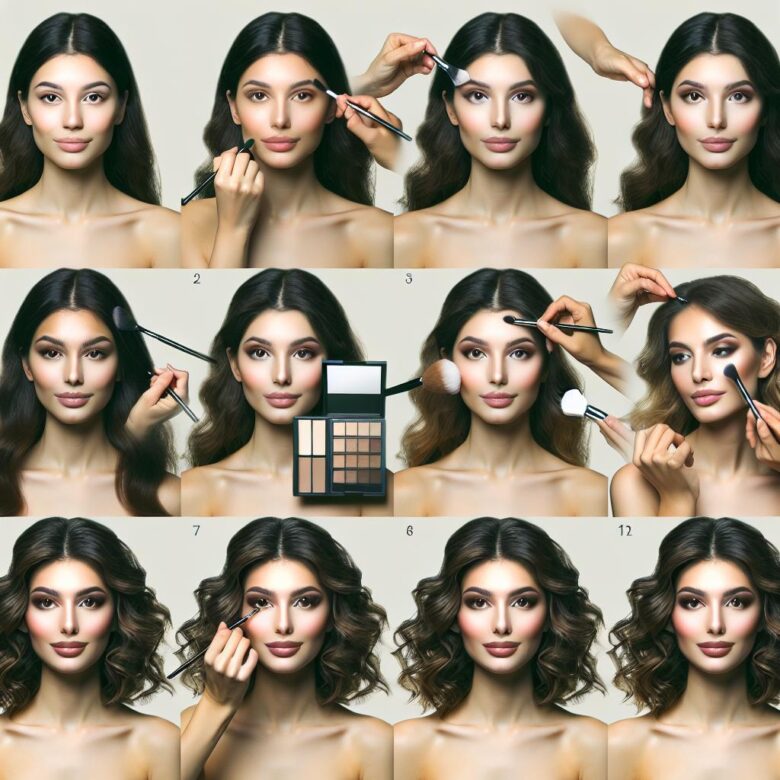
- Recommended order: Skincare → primer → brows → eyes (shadow/liner/mascara or lashes) → complexion (foundation/concealer) → cream бронzer/blush (optional) → set targeted powder → powder бронzer/blush (optional) → highlight (lightly) → lips → setting spray.
- If using fallout-heavy eyeshadow: Do eyes first, then complexion to keep under-eyes clean.
- Timing guideline: Allow 60-90 minutes if you’re doing lashes and detailed eyes; reduce only after multiple successful trials.
Summary of Recommendations
DIY bridal makeup holds up when it’s built for real conditions: heat, tears, flash, and time. The biggest mistake I still see is over-powdering early-skin looks perfect at 10 a.m., then goes flat, cake-y, and separates by photos. Keep powder targeted (T-zone and under-eye edges), and leave “life” on the high points.
Pro Tip: Do a full wear test with your actual SPF and setting spray, then take one on-camera photo in direct window light and one with flash-this catches texture and undertone shifts faster than any mirror.
Right now, create a one-page “Day-Of Face Card” on your phone with product order, brush list, and touch-up kit, then set calendar alerts for your final shade match and a 45-minute buffer before dressing.

Hi, I’m Ava Glow. Welcome to Root & Bloom, where I believe great makeup starts with the ‘roots’—your skin. My philosophy is all about enhancing your natural features rather than masking them. Whether you’re looking for the perfect 5-minute morning routine or a radiant glow-up for a special night, I’m here to help your inner beauty bloom through effortless, skin-loving techniques