Dirty makeup brushes quietly sabotage your work-causing breakouts, muddy blending, premature shedding, and, in the worst cases, hygiene complaints that cost repeat bookings.
After years working in pro kits and auditing sanitation routines for artists and salons, I’ve seen the same pattern: great technique wasted by rushed cleaning, wrong detergents, and damp brushes stored too soon. The price isn’t just bacteria-it’s time lost to re-dos, product contamination, and replacing brushes months early.
This article gives you the exact, pro-level method to clean, disinfect, dry, and store brushes without loosening ferrules or roughing bristles-plus how often to sanitize by brush type and client volume so your kit stays compliant, fast, and flawless.
Brush-by-Brush Deep Cleaning Protocol: Choosing the Right Cleanser for Natural vs. Synthetic Bristles (and Preventing Shedding)
Most premature brush shedding isn’t “bad manufacturing”-it’s solvent damage and aggressive agitation that breaks the epoxy plug holding the knot. The fastest way to ruin a pro set is using high-alkaline soap or alcohol-soaking on natural hair.
| Bristle Type | Best Cleanser Choice | Shedding-Prevention Moves |
|---|---|---|
| Natural (goat/squirrel/pony) | Low-foam, pH-balanced shampoo or dedicated brush cleanser (avoid detergents and citrus/solvent degreasers) | Keep ferrule dry; swirl only on texture-mat tips; rinse lukewarm until clear; reshape and dry flat with bristles angled down. |
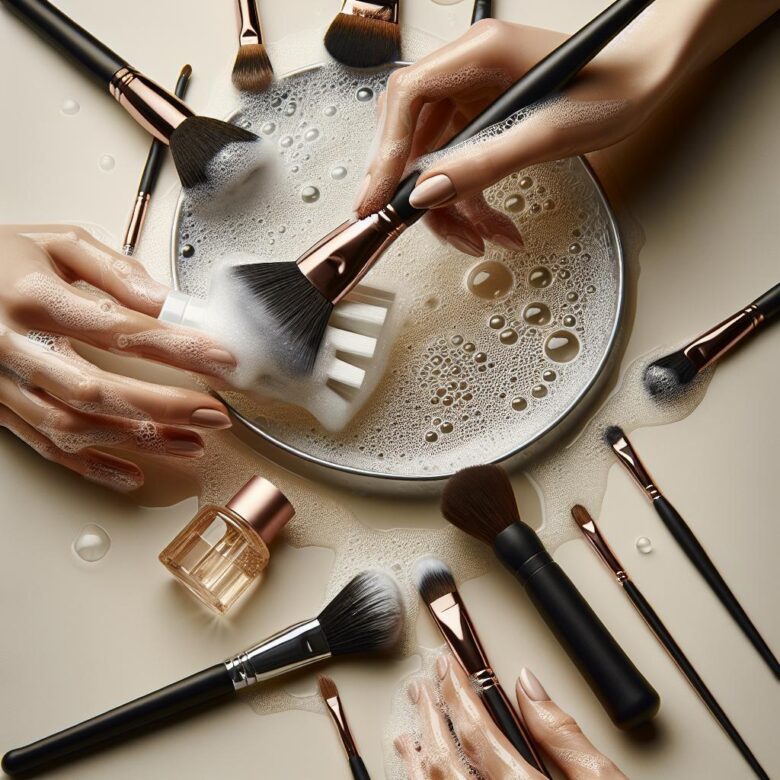
| Synthetic (Taklon/nylon) | Gentle liquid dish soap diluted 1:10 for creams, then a second pass with conditioning cleanser; optional 70% IPA mist on dry bristles only | No soaking past the bristles; avoid twisting; use a Makeup Brush Cleaner Mat by Sigma with light pressure; comb through with a clean spoolie to release trapped paste. |
Field Note: On a bridal kit audit, switching natural powder brushes from dish soap to a pH-balanced cleanser and banning ferrule soaking eliminated visible shedding within two washes and stopped that “splayed halo” look during buffing.
Pro Sanitizing & Disinfection Standards: When to Use 70% Alcohol, Hospital-Grade Solutions, and UV-Without Ruining Adhesives
Most brush “sanitizing” failures happen because artists grab 99% alcohol; it flashes off too fast to achieve proper microbial kill and can shock-set adhesive at the ferrule. Over-wetting the glue plug is the fastest route to shedding, wobbling ferrules, and warped natural hair.
- 70% isopropyl alcohol: Use for routine, between-client sanitizing after soap-and-water cleaning; mist lightly and wipe on lint-free, keeping saturation below the ferrule line so capillary action doesn’t pull solvent into the adhesive.
- Hospital-grade disinfectants (EPA/NHSN-aligned): Reserve for contamination events (blood/body fluids) and follow label contact time; choose low-residue quats or accelerated hydrogen peroxide and decant into a spray bottle-never soak brushes or you’ll soften epoxy and swell wood handles.
- UV-C “sanitizers”: Use only as an adjunct after cleaning; UV requires direct line-of-sight and sufficient dose, won’t penetrate dense bristles, and heat buildup can embrittle glue-verify cycle dose with UVC Light Meter readings and keep brushes spaced, bristles fanned.
Field Note: On a film set I stopped a recurring shedding issue by switching the team from soaking in 99% IPA to a controlled 70% mist-and-wipe protocol that kept the ferrule dry, and the “mystery” failures disappeared within two days.
Drying, Reshaping & Storage for Longevity: Fast, Mold-Free Techniques to Keep Ferrules Tight and Bristles Performing Like New
Most brush “shedding” and loose ferrules are drying failures: water wicks into the glue plug and swells the handle, shortening brush life by months. Laying damp brushes flat on a towel is the fastest way to trap moisture at the ferrule and invite mildew.
- Drying orientation: After rinsing, squeeze from ferrule to tip, then blot; dry bristles angled downward off the counter edge (or on a rack) so gravity pulls moisture away from the ferrule.
- Reshaping control: While damp, comb and pinch to the original profile; set with Da Vinci Brush Soap’s light conditioning film (or a micro-drop of brush conditioner) to prevent splaying and keep cuticles aligned.
- Storage hygiene: Only store fully dry in a breathable cup or roll; avoid sealed tubes and plastic caps unless ventilated, and keep away from humid bathrooms-target <60% RH to limit mold growth.
Pro Tip: I stopped repeat ferrule loosening on a bridal kit by swapping towel-drying for a countertop edge rack and enforcing a “no closed cases until bone-dry” rule after finding a musty scent originating from one capped, slightly damp powder brush.
Q&A
FAQ 1: How often should I clean vs. sanitize professional makeup brushes?
Answer: Clean (wash with soap/water) based on product type and client exposure:
- Cream/liquid products (foundation, concealer): After every client-ideally after every use.
- Eye brushes (especially liner/mascara wands, detail brushes): After every client due to higher infection risk.
- Powder-only brushes (blush/bronzer/setting): At minimum daily in pro settings; after every client is best practice.
Sanitizing (using 70% isopropyl alcohol or a pro brush sanitizer) is not a substitute for washing: it helps reduce microbes between uses, but it won’t remove built-up oils, waxes, silicone, or heavy pigment that can trap bacteria and affect performance.
FAQ 2: What’s the safest way to wash brushes without damaging the bristles or loosening the ferrule?
Answer: Use a gentle, residue-rinsing cleanser (brush soap, mild shampoo, or a fragrance-free gentle cleanser). Key technique points:
- Water temperature: Lukewarm only-hot water can weaken glue in the ferrule.
- Keep the ferrule dry: Wet only the bristles; avoid soaking the metal ferrule/handle junction to prevent loosening and shedding.
- Direction of cleaning: Work cleanser through bristles in the direction of the hair (no aggressive twisting or bending against the grain).
- Rinse thoroughly: Continue until water runs clear to prevent residue that can cause stiffness, breakouts, or patchy application.
- Dry correctly: Gently squeeze out water, reshape, and dry bristles-down or flat with bristles hanging off the edge; never upright while wet.
FAQ 3: Can I sanitize makeup brushes with alcohol, and will it work on all brush types?
Answer: Yes-70% isopropyl alcohol (or a professional brush sanitizer) is effective for quick sanitizing, but use it appropriately:
- Best use case: Between clients for powder-only brushes after wiping off visible product on a clean tissue.
- Limitations: Alcohol doesn’t reliably penetrate heavy cream product buildup; brushes used with creams/liquids still need full washing.
- Material considerations: Synthetic bristles generally tolerate alcohol well; frequent alcohol use on some natural hair brushes can make them feel dry over time-condition occasionally by using a gentle cleanser and avoiding harsh degreasers.
- Contact time: Lightly mist bristles (don’t soak the ferrule), then wipe and allow to fully air-dry before use.
Summary of Recommendations
Clean brushes protect more than your finish-they protect your reputation. In pro settings, brush hygiene is one of the fastest ways to reduce breakouts, irritation, and cross-contamination without changing a single product.
Pro Tip: The biggest mistake I still see teams make is “drying” brushes upright-water runs into the ferrule, loosens glue, and turns a clean brush into a shedding, bacteria-prone tool. Always dry them flat or with the head angled downward, and don’t return them to a roll until they’re fully dry.
Do this right now: add a recurring calendar block titled “Brush Sanitation + Dry Time,” then label one container “CLEAN” and one “USED” at your station so nothing ever gets mixed mid-service.

Hi, I’m Ava Glow. Welcome to Root & Bloom, where I believe great makeup starts with the ‘roots’—your skin. My philosophy is all about enhancing your natural features rather than masking them. Whether you’re looking for the perfect 5-minute morning routine or a radiant glow-up for a special night, I’m here to help your inner beauty bloom through effortless, skin-loving techniques